

What it means to transition from directing to mentoring with lessons from leading distributed teams.
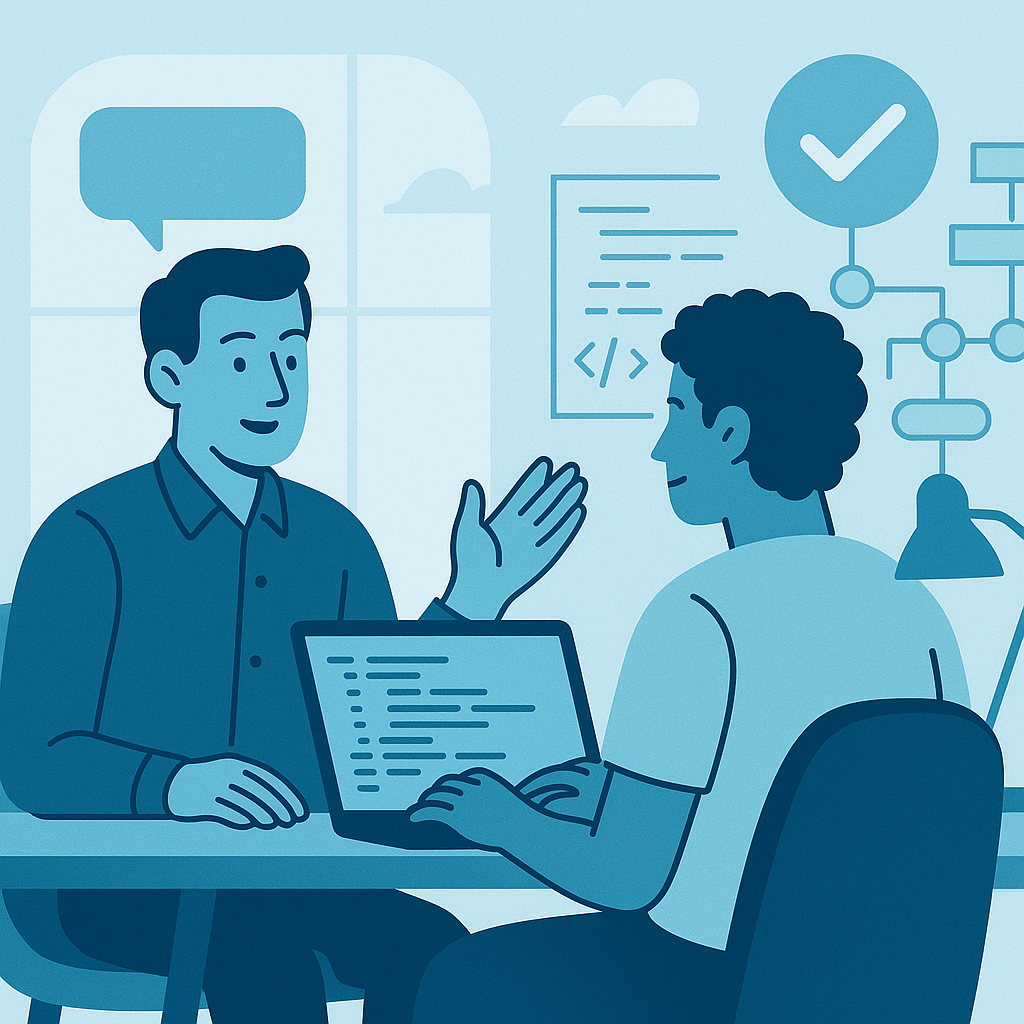
Engineering teams do their best work when they feel trusted. Yet many new managers, especially those who rose from individual contributor roles, struggle to let go of control. The instinct to oversee every detail comes from a good place, such as pride in the craft, or accountability for outcomes, but over time it limits both the team and the manager.
The most effective leaders understand that their value no longer comes from the code they write or the tasks they track. It comes from how well they multiply the capability of the people around them.
I’ve described this as moving from driver to coach. The shift is simple in theory, but difficult in practice especially when leading distributed teams where communication and trust must be built deliberately.
From Direction to Development
Early in a manager’s career, it feels easier to direct. Giving clear instructions ensures things get done the “right” way. But direction scales poorly. As the team grows, the manager becomes a bottleneck, answering questions and making every decision.
Coaching is the opposite. Instead of giving answers, a coach develops judgment. The conversation changes from “here’s what to do” to “how would you approach this?” Over time, this builds independent thinkers who anticipate problems before they reach you.
It’s slower at first, but faster in the long run. A team that can reason through complex work without constant oversight moves with confidence, not dependence.
The Challenge of Distance
Distributed teams make this shift even harder. Without hallway conversations or shared context, managers can feel disconnected from day-to-day work. The natural reaction is to add more check-ins, reviews, and reports.
That extra structure can help, but too much of it feels like surveillance. The key is intentional visibility. Managers should create consistent rhythms of communication (along the lines of one-on-ones, team reviews, and project updates) while leaving room for autonomy in between.
Coaching at a distance means replacing presence with clarity. Everyone should understand how decisions are made, what success looks like, and how to ask for help without fear of judgment.
Coaching in Practice
A manager who coaches looks less like a taskmaster and more like a problem-solving partner. A few habits make that difference visible.
Ask before you tell
Before offering a solution, ask how the engineer has thought about it. You’ll learn where their reasoning is solid and where they need support. This builds trust and develops confidence.
Make feedback part of the flow
Feedback should not be reserved for performance reviews. Short, specific conversations after releases or design reviews keep growth continuous and low-stakes.
Teach decision-making, not direction-following
Share your reasoning when you make calls. Explain trade-offs, context, and priorities. The goal is to make your thinking transparent so others can learn from it.
Create room for ownership
Let people choose how to implement within clear goals. If the outcome matters more than the method, say so. Autonomy invites creativity and accountability.
Protect focus
Coaching also means shielding teams from unnecessary noise. Managers who act as filters, not funnels, preserve mental energy for the work that matters.
The Ripple Effect
When managers shift from directing to coaching, something important happens: culture begins to change. Teams move from compliance to collaboration. Engineers feel more agency and bring new ideas forward.
This multiplier effect compounds. Each person you coach becomes a better peer, mentor, and future leader. In distributed environments, where alignment depends on trust rather than proximity, that culture becomes your real infrastructure.
Lessons from Distributed Teams
Remote and hybrid work expose both the strengths and weaknesses of management habits. Micromanagement doesn’t scale across time zones, but clarity and empathy do.
Managers who thrive in distributed environments often:
- Write more and assume less.
- Give context early instead of feedback late.
- Value asynchronous communication as much as meetings.
- Build relationships intentionally through regular one-on-ones.
Leading remotely forces better habits: ones that rely on transparency, coaching, and trust instead of control.
Building Managers Who Multiply
Organizations that scale sustainably invest in their managers. They recognize that leadership isn’t about driving harder; it’s about building systems that allow others to perform at their best.
At O’Side Systems, we help founders and technical leaders develop coaching-driven management practices that fit distributed and fast-growing teams.
If you are ready to turn your managers into multipliers and strengthen the culture around them, contact us to see how we can help.